From 900 to 3,000 Goats: What We’ve Learned So Far
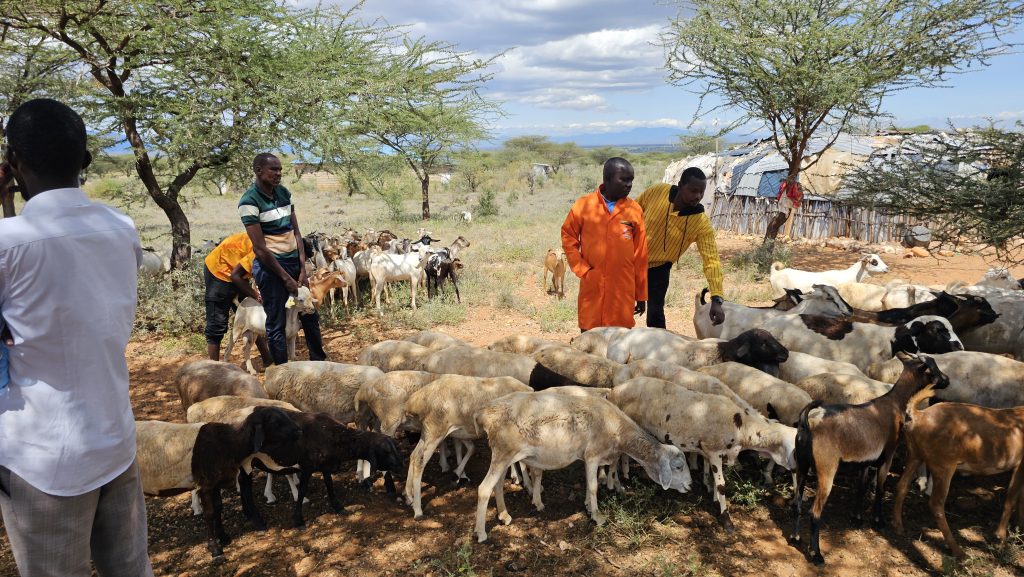
A reflection on the first years of Holy Goats, featuring stories from northern Baringo, Samburu, and Kilifi counties, and the moment we met Dr. Paul Juma.
When we started Holy Goats, we had a simple dream and a lot of questions. Could goats really transform communities in Kenya’s bush regions? Could pastors who had never run a business successfully manage a herd of hundreds of animals? Could a self-replicating model really work in one of the most remote and challenging environments on earth?
The answer, we are learning, is yes—and the story is more beautiful than we imagined.
The First Herd in Baringo County
Our pilot began in northern Baringo County, in a remote Pokot valley accessible only by small aircraft. The community had no school, no hospital, no reliable water source, and no church building. What they had was faith, resilience, and a vision.
We started with approximately 500 goats distributed among a cluster of about ten pastors. Within the first year, the herd had already begun to grow. By the end of year two, we were approaching the 1,500-goat base we had hoped for.
Meeting Dr. Paul Juma
One of the most remarkable moments in the Holy Goats story was meeting Dr. Paul Juma, a Kenyan veterinary surgeon who grew up in a remote village similar to the communities we serve. When he heard about Holy Goats, he immediately offered his expertise—volunteering his time to help us build a sustainable, healthy herd.
Dr. Juma’s story is a living example of the transformation we pray for. From a mud hut to national leadership in veterinary science, his journey shows what is possible when communities are equipped and empowered.