The Holy Goats Model
Discover how one goat business changes everything for pastors, churches, and communities in Kenya's bush regions.
How One Goat Business Changes Everything
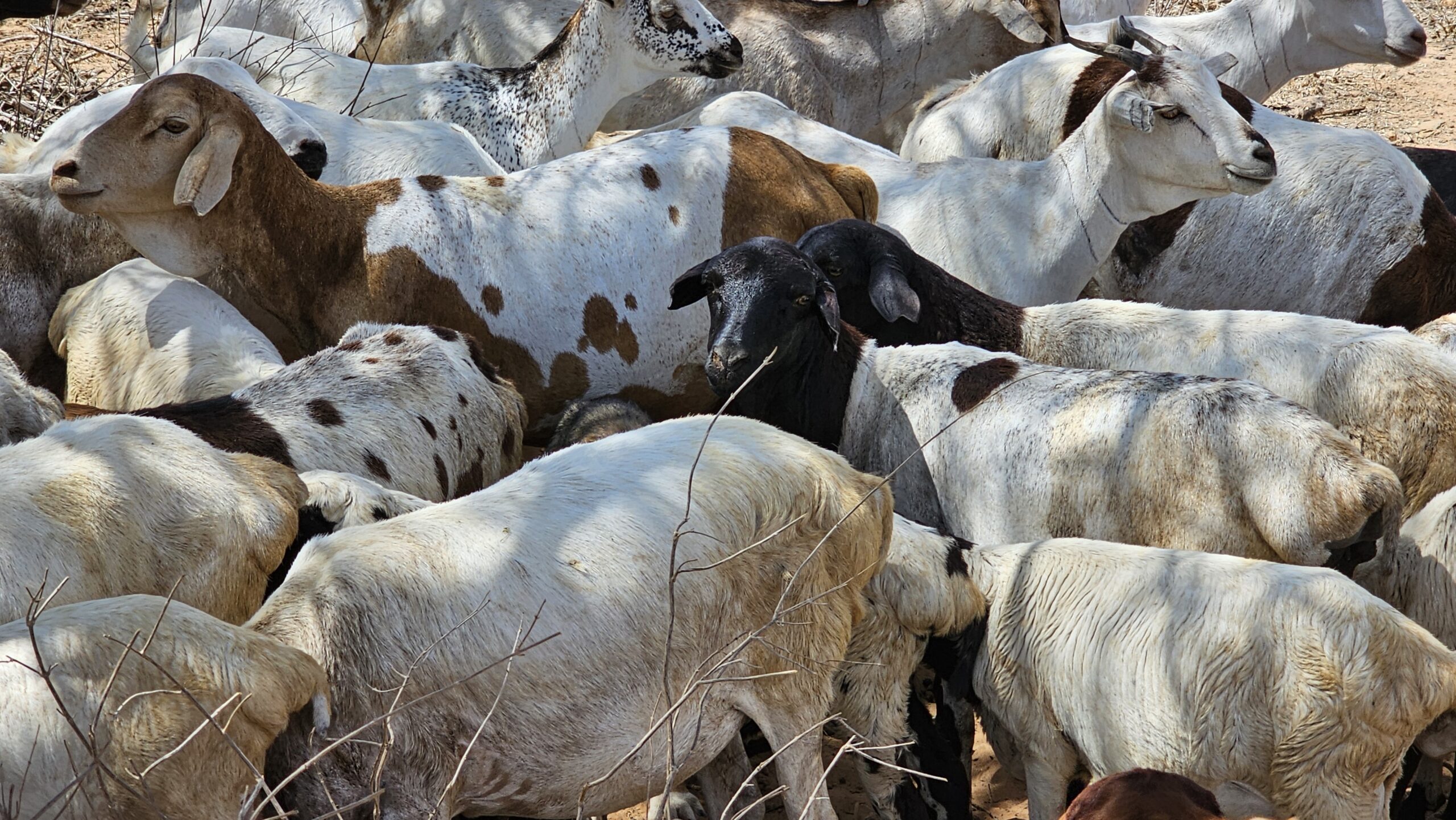
The Holy Goats model is simple, but powerful. With a single, well-managed herd of goats, a hub of bush pastors can fund their ministries, support their families, and invest in long-term community development for decades to come.
Each Holy Goats business is designed to:
- Serve approximately 10 pastors.
- Build a sustainable base herd of about 1,500 goats.
- Generate around 45,000 USD in annual revenue from goat sales.
- Fund three annual budgets of 15,000 USD each (Herd Management, Church Projects, and Impact Fund).
Why Goats?
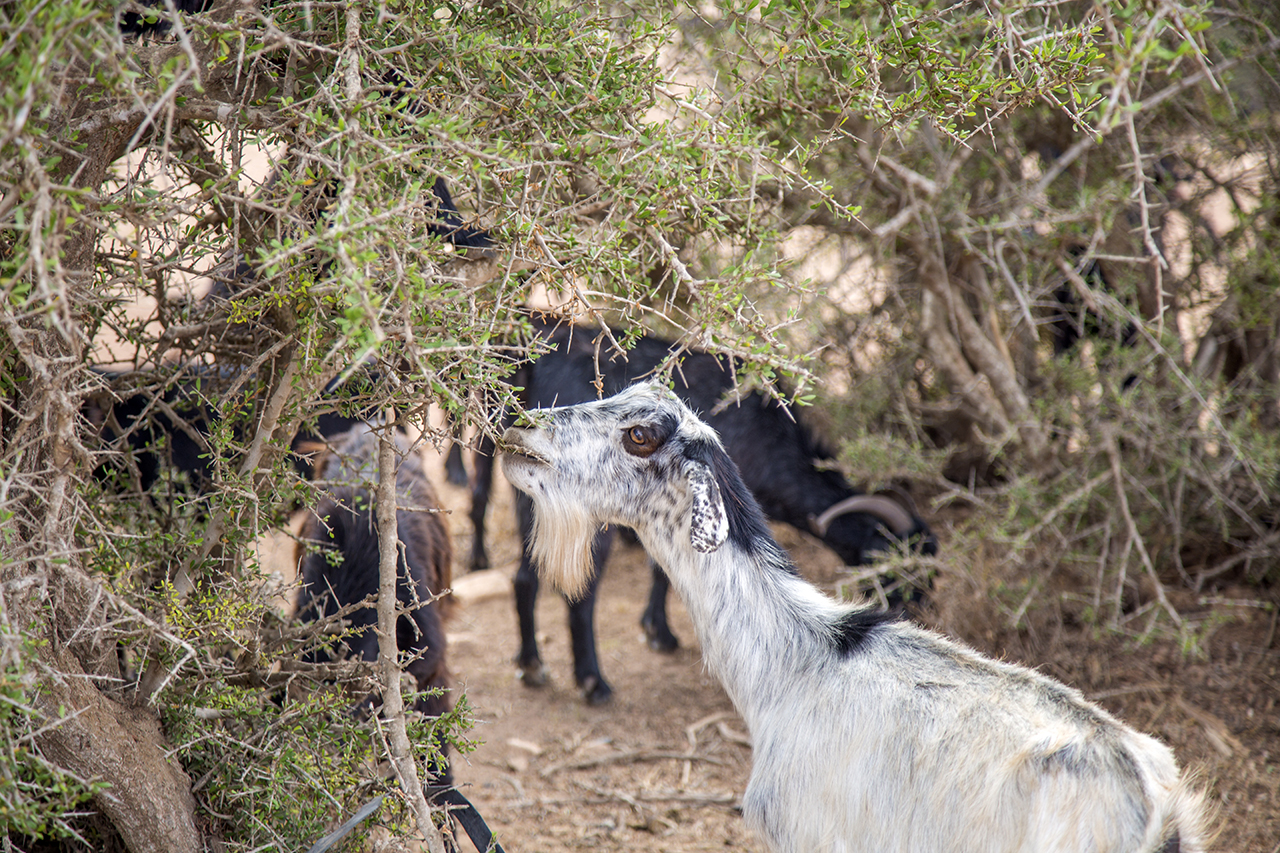
Goats are uniquely suited to Kenya’s arid and semi-desert areas.

Thrive in Harsh Conditions
Minimal infrastructure required

Multiply Quickly
Natural "compound interest"

Provide Value
Meat, income, and savings

Culturally Valued
Already understood by communities
By focusing on goats, we tap into a proven, locally appropriate asset rather than introducing something foreign or fragile.
Step-by-Step: From 500 to 1,500 Goats
Seed Funding (approximately $50,000 USD)
Donors contribute seed capital to launch a new Holy Goats business. Through the COSEND Foundation (the parent organization of Holy Goats), donations are used to purchase 500 quality goats and invest in initial training and infrastructure.
Growing the Herd (Years 1–2)
Over the next two years, the herd grows from 500 to a base of about 1,500 goats under the co-operative management of Holy Goats’ leadership team and the local pastors.
Reaching Sustainability (Year 3+)
Once the herd reaches the 1,500-goat base, excess goats are sold annually. Typical sales of about 800 goats can generate approximately 45,000 USD per year.
Funding Three Annual Budgets
That 45,000 USD is divided into three equal budgets of 15,000 USD each: Church Projects, Herd Management, and Impact Fund.
The Three $15,000 Annual Budgets
$15K
Church Projects Budget
Managed by the local pastors’ committee, this budget funds ministry and community projects such as:
- Building or improving bush church structures
- Drilling or repairing water wells
- Supporting evangelism and outreach
- Purchasing Bibles and essentials
Local pastors make local decisions. They know their communities best.
$15K
Herd Management Budget
This budget keeps the business healthy and trustworthy. It covers:
- Veterinary care, medicine, and vaccinations
- Herd management training and visits
- Operational costs and oversight
- Repayment of seed money (about 5,000 USD per year over eight years)
Protect the herd and repay the investment while keeping the business strong for the long term.
$15K
Impact Fund Budget
This budget fuels generosity, resilience, and future growth:
- Years 3–4: Pastors’ personal herds (50 goats each)
- Year 5: Emergency fund for disasters
- Year 6+: Seed money for new locations
This is where the multiplication really takes off: each mature business helps fund the next.
Replication: From 5 Locations to 100
With a traditional model of one-time donations funding one goat at a time, reaching 100 locations might require 5 million USD. With the Holy Goats’ self-replicating model, we expect to reach the same goal with under 2 million USD in initial seed funding from donors.
A typical timeline:
- Years 1–3: Start 5 locations per year (15 total).
- Years 4–7: Those initial businesses grow, stabilize, and in some cases repay their seed funding.
- Year 7: The first wave of businesses begins funding new locations.
- After Year 7: Mature businesses contribute to new startups roughly every two years.
Over approximately 15 years, this compounding effect can yield 100 locations, 150,000 goats, and substantial recurring funding for ministry and community projects—all from an initial set of seed investments.
Governance & Safeguards
Integrity and accountability are essential to Holy Goats.
Kenyan Ownership
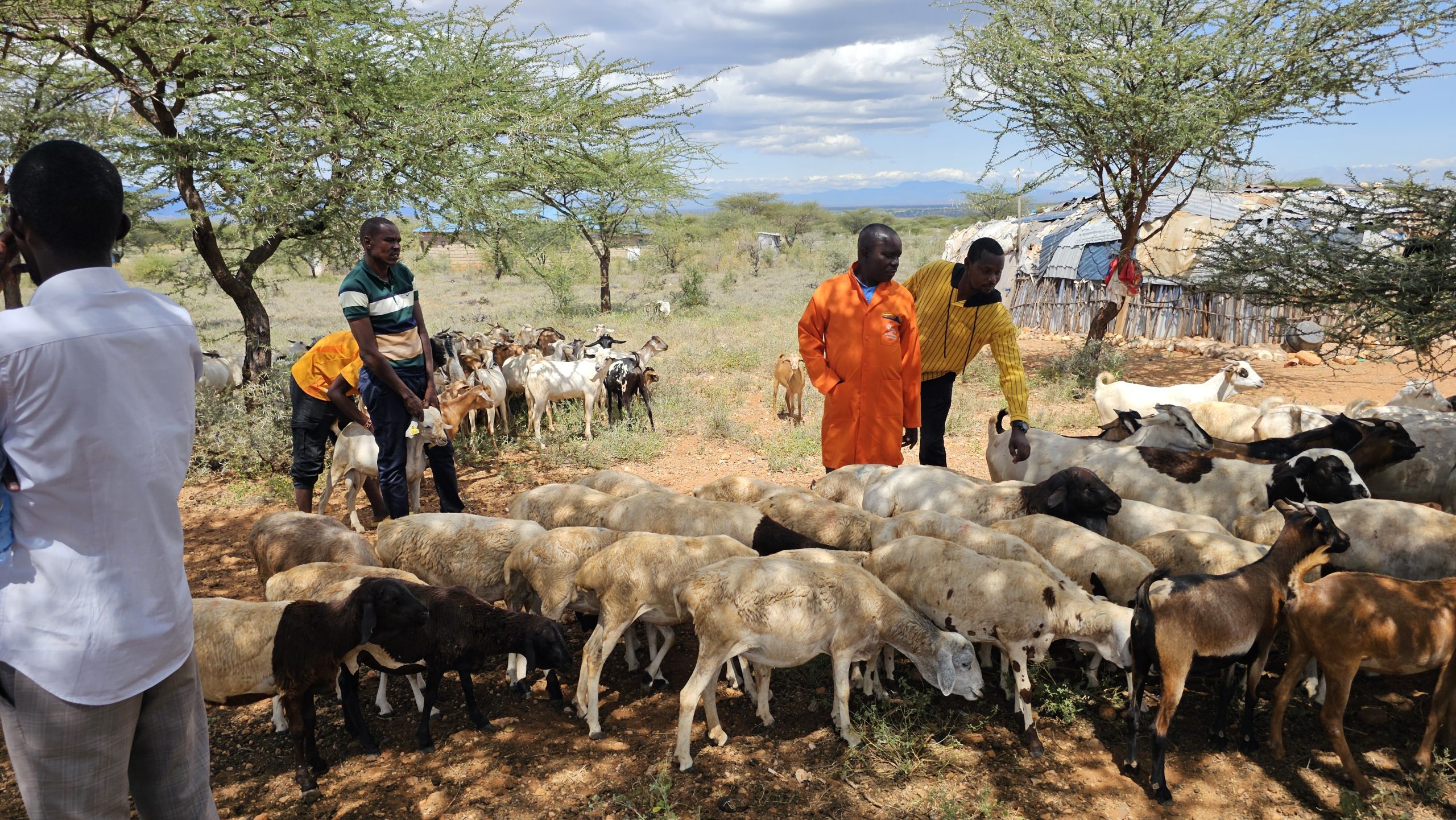
The Kenyan COSEND Foundation (the umbrella organization of Holy Goats) co-operatively manages with hubs of local pastors
Local Pastor Accountability
Each remote location has a group of pastors who have many years of experience working together and who work co-operatively with the COSEND Foundation (the parent organization of Holy Goats)
Standardized Model
Each business follows a tested template to avoid unnecessary complexity.
Veterinary Expertise
Ongoing involvement of professionals helps maintain herd health.
Transparent Reporting
Donors and partners receive regular updates on herd growth, finances, and impact.
Frequently Asked Questions
A new Holy Goats business generally reaches sustainability in its third year, when the herd has grown to approximately 1,500 goats and begins generating significant annual surplus. Loan repayment and contributions to future locations follow a carefully planned timeline after that.
During the loan period, the herd is owned by the Kenyan COSEND NGO and managed by the pastors' committee. Over time, as loans are repaid and personal herds are built, individual pastors also own goats directly, while the project herd remains under shared, structured oversight.
It is both ministry and business. The herd is run as a genuine commercial enterprise, with revenue reinvested into church projects, herd health, and future expansion. At the same time, the purpose is spiritual and holistic—strengthening churches, keeping pastors in ministry, and serving communities in Jesus' name.
We are happy to share more detailed models and projections with serious partners and donors. Contact us to request a deeper discussion or a call with our team.
Partner With a Model That Multiplies
If you are a donor, church, or foundation looking for a scalable, sustainable, faith-rooted project, Holy Goats offers a rare opportunity: one investment that keeps giving, growing, and multiplying.